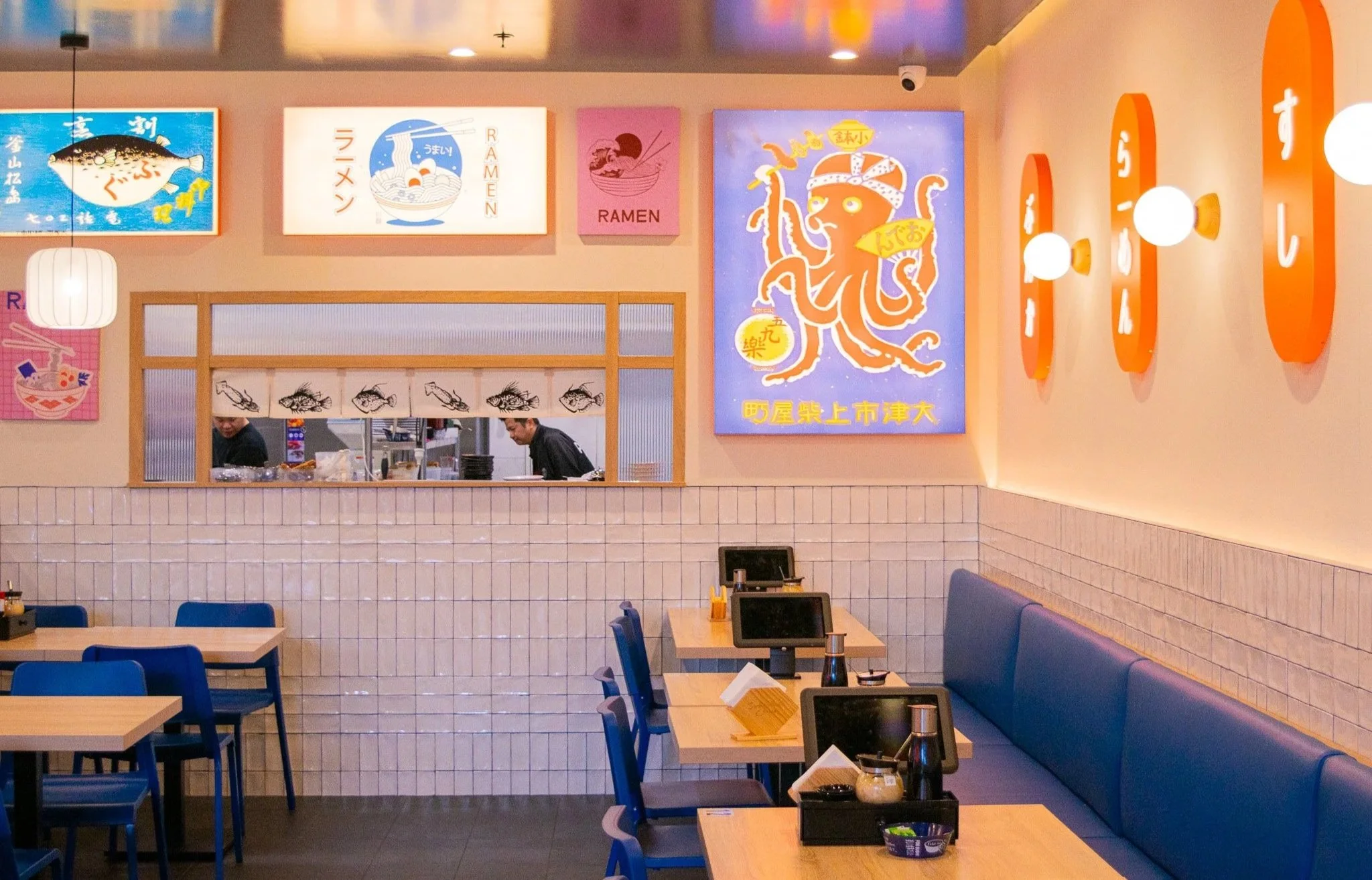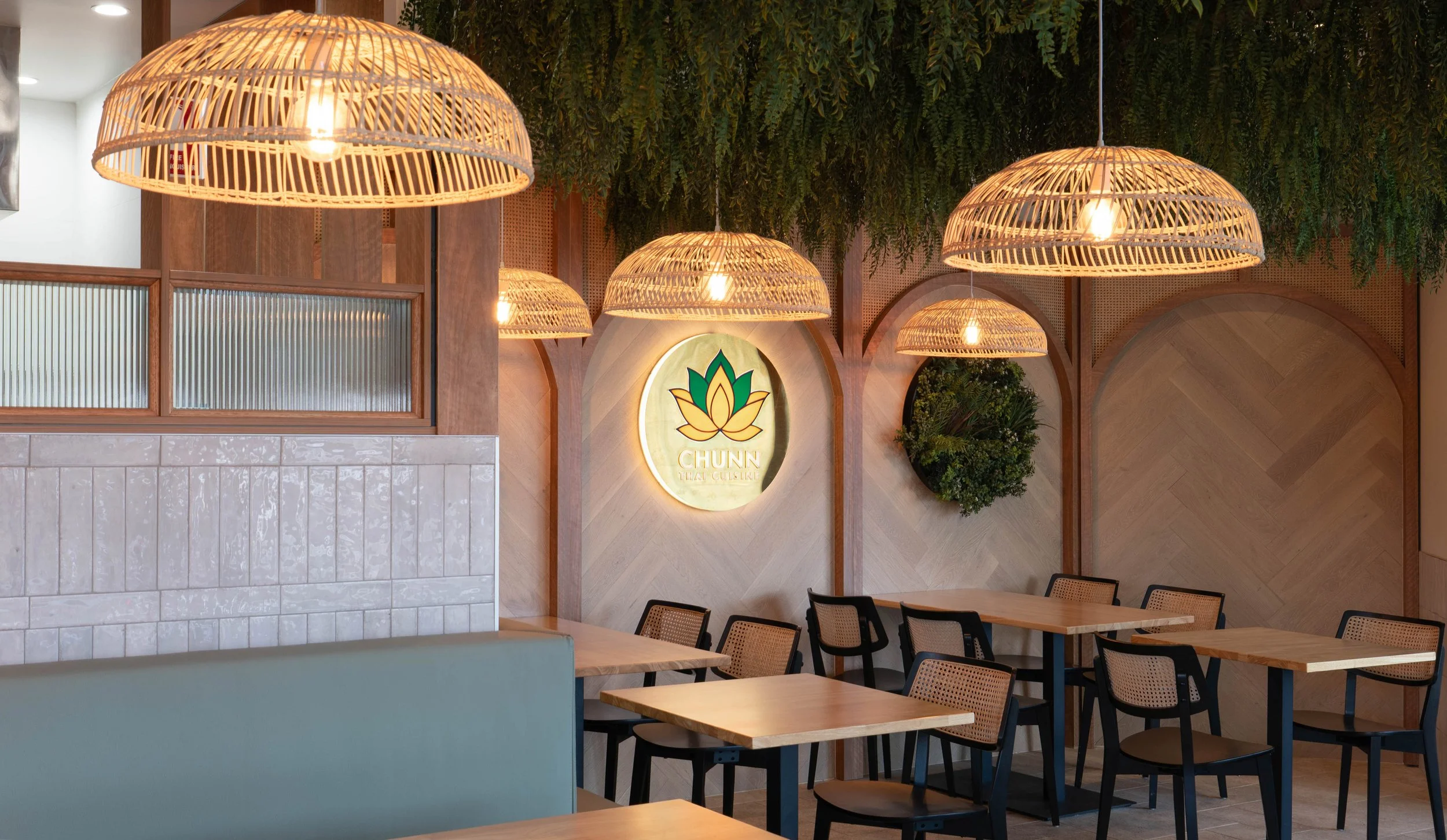

BEYOND THE FINISHED IMAGE
From Concept to Construction:
Why Buildability Matters
Good design is more than choosing materials that look good together. It’s about understanding how they work, how they’re made and how the original design intent can be carried through to the finished space.
CUBIT PROJECTS | JULY 2026
Design has never been more accessible
With Instagram and Pinterest providing endless sources of inspiration, and AI now able to generate polished images of almost any space within seconds, it has become easier than ever to explore ideas, visualise possibilities and develop a sense of what we like.
And that's a good thing.
These tools can be incredibly useful for inspiration, developing ideas and communicating a vision. We use them too.
But there is a difference between being able to find or create a beautiful image and understanding what it takes to design the space behind it.
Because good design is about much more than choosing colours, materials and finishes that look good together.
It is about understanding how a space needs to work, why particular materials work together, how they will perform, how they are made and installed, and whether the finished result will actually be fit for purpose.
Good design isn't just about what looks good on paper. It's about creating something that can actually be delivered.
Design is more than what looks good
The visual outcome of a space is often the most obvious part of design.
We see the colour palette, the finishes, the furniture, the lighting and the overall aesthetic. What we don't necessarily see are the decisions and considerations that sit behind them.
Why was that material selected?
How will it perform in a high-traffic environment?
How will people move through the space?
What sits behind the finished wall?
How will the joinery be fabricated?
How will services be coordinated?
How will the materials age and be maintained?
These are all part of the design process.
A successful commercial interior needs to balance aesthetics with function, durability, budget, compliance and construction. The best design decisions aren't made in isolation. They consider how one decision affects everything around it.
This is particularly important when working with materials.
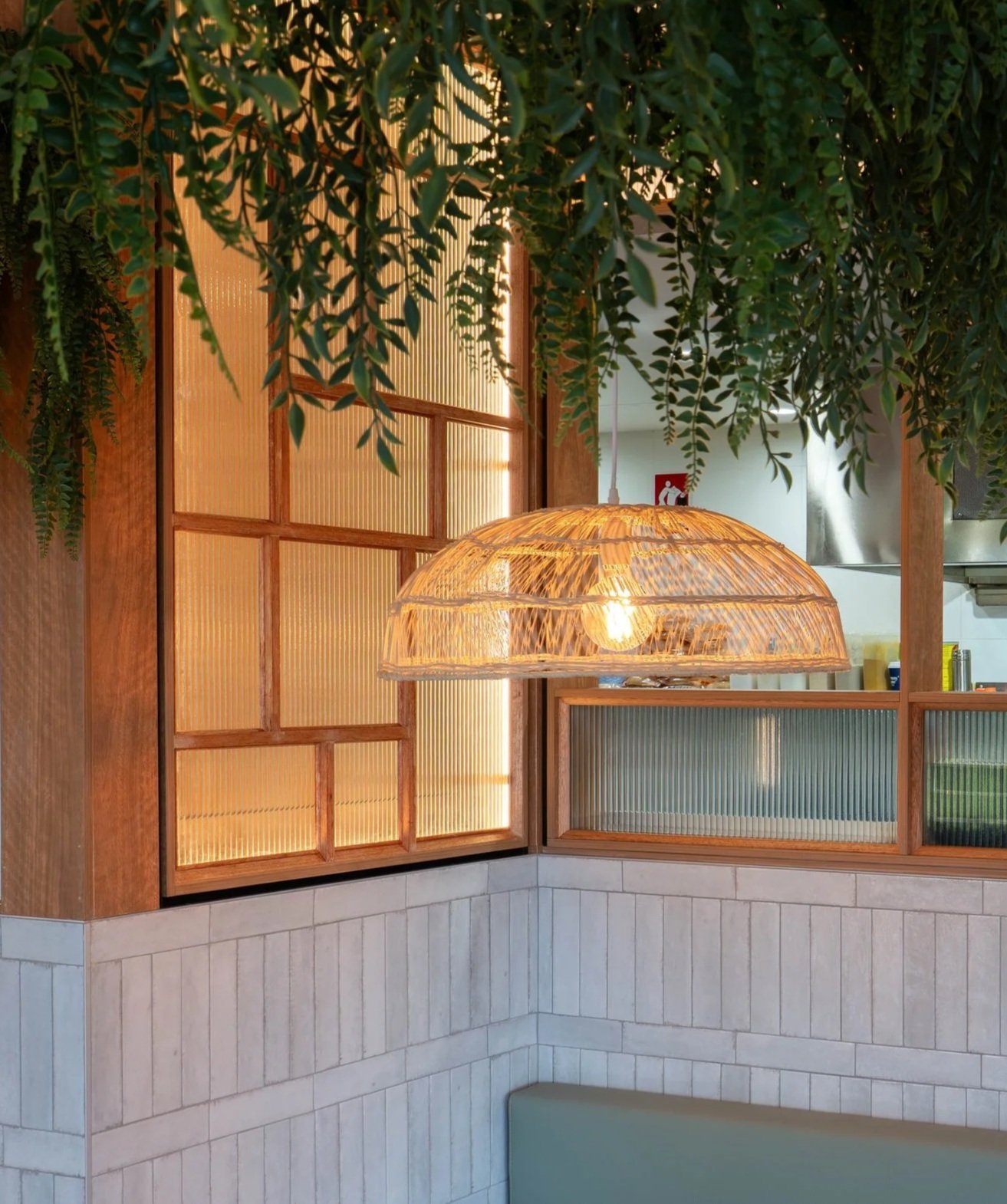
The finished space is only one part of the design process.
Materials are more than a finish
It's one thing to know that two materials look good together. It's another to understand why they work together and whether they are appropriate for the space.
A material might look perfect in a moodboard but perform poorly in a busy retail environment. A particular finish might be beautiful but difficult to maintain. A stone might have the right colour and texture but require specific fabrication or installation methods.
The way a material looks is only one part of the decision.
Understanding materials means considering their durability, maintenance, application, availability and how they are likely to perform over time.
For commercial spaces, this matters even more.
A space isn't being designed simply to be photographed on completion. It needs to withstand people, movement, cleaning, impact and everyday use.
Good material selection considers not just how something looks on day one, but how it will continue to look and perform once the space is being used.
Fit-for-purpose is part of good design.
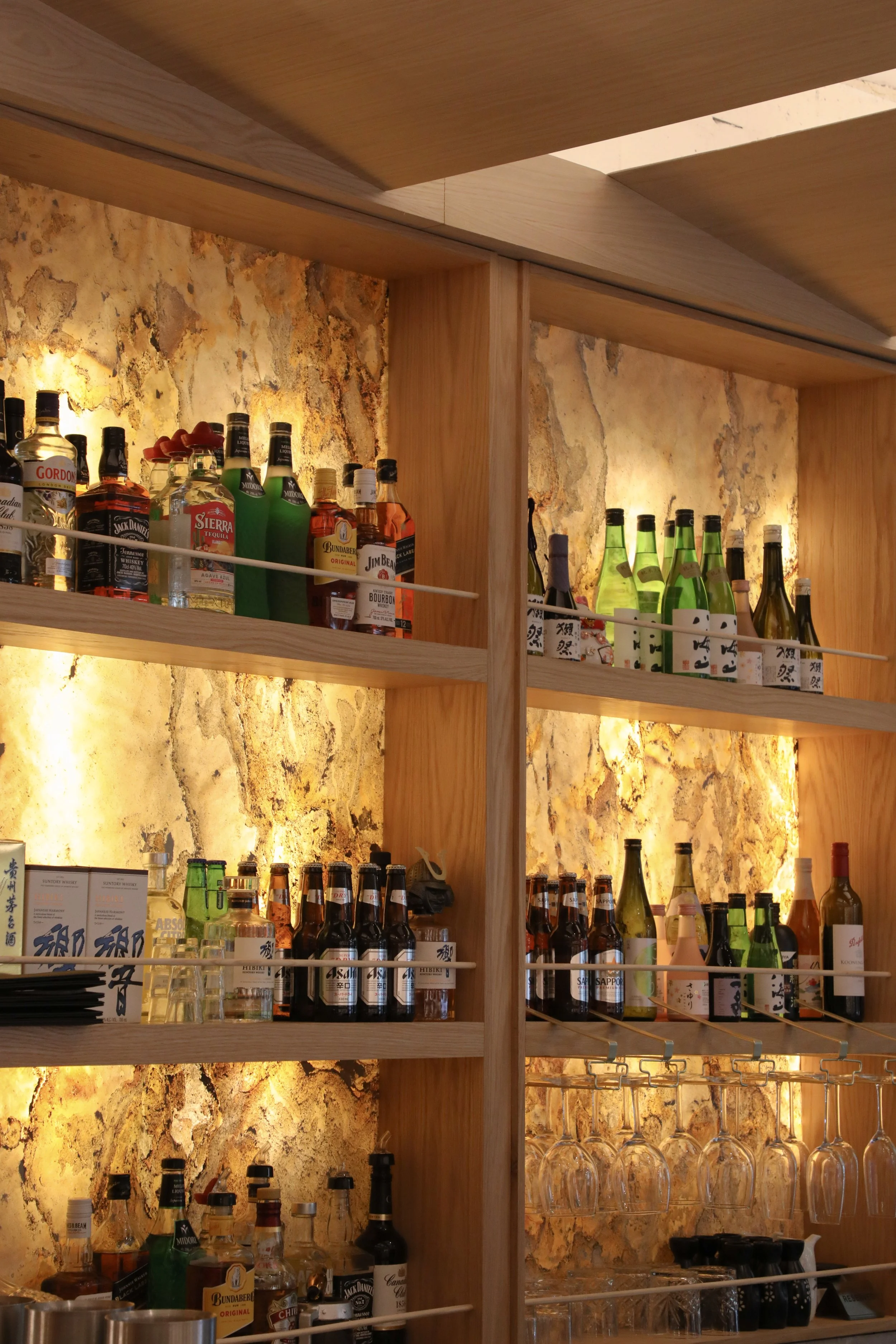
Understanding how something is made changes how you design it
There is a difference between specifying a material and understanding how that material becomes the finished product.
The way something is manufactured or fabricated can influence the way it needs to be designed.
Take custom joinery as an example.
A drawing might show a clean, minimal piece of joinery with seamless edges and carefully considered proportions. But achieving that result requires an understanding of how the joinery will actually be manufactured and installed.
How are the panels joined?
Where do the edges finish?
What tolerances are required?
How will the doors and hardware operate?
How will the piece be transported?
How will it be installed on site?
What happens when it is used every day?
These questions don't take away from the design.
They help make the design possible.
The same applies to feature walls, ceilings, stone, metalwork, lighting and almost every other element within a commercial interior.
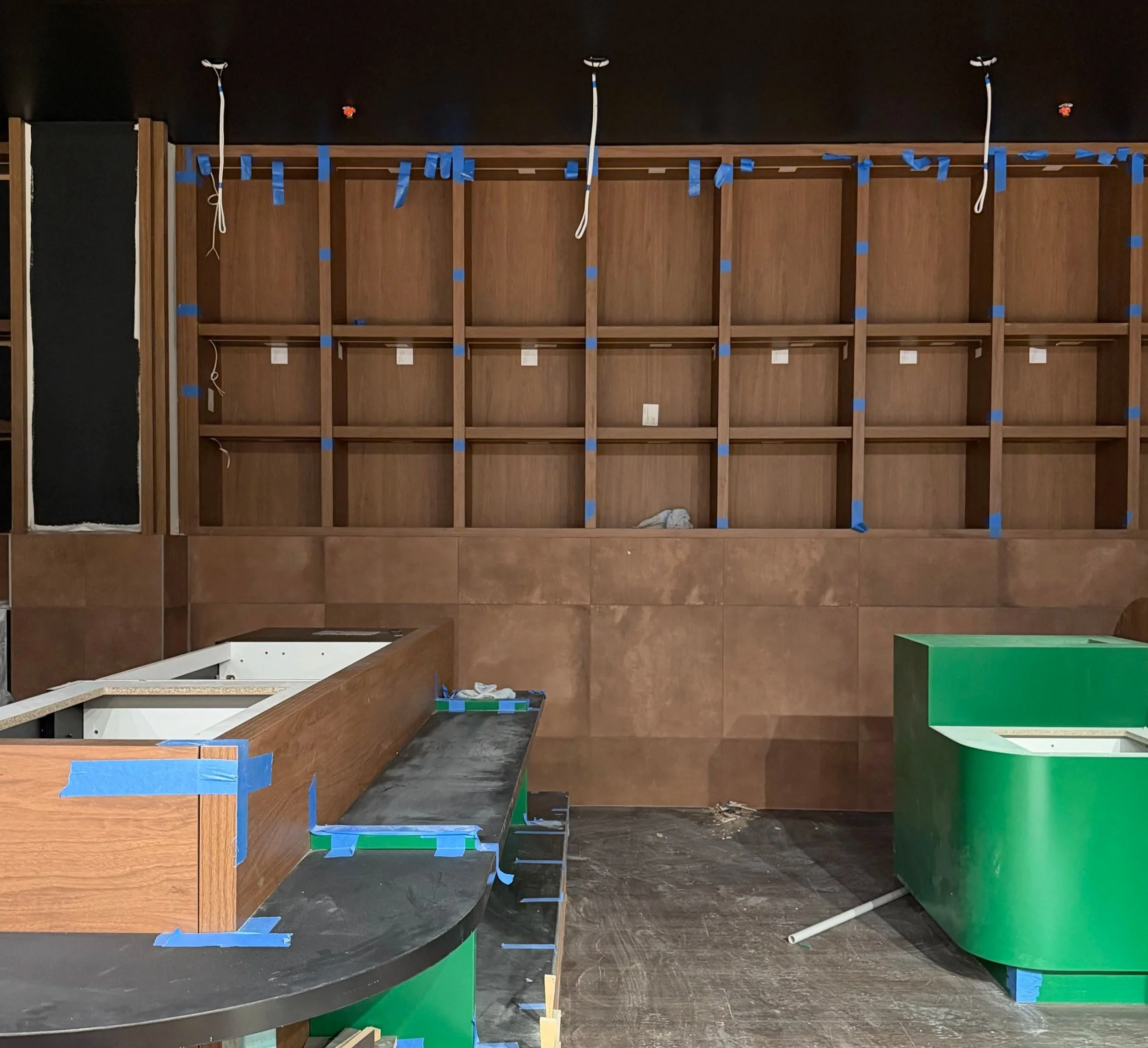
Understanding how something is made gives a designer greater control over the finished outcome.
Buildability protects the original design intent
A concept can look very different by the time it reaches construction.
An idea starts as a concept, becomes a drawing, is developed into documentation, moves through procurement and eventually reaches site. At each stage, there is an opportunity for the original intent to be changed.
Sometimes that's unavoidable.
A material may no longer be available. A detail may prove difficult to fabricate. Existing services may create a conflict. A construction method may need to change. A particular component may have a longer lead time than expected.
But the more these considerations are understood during the design process, the fewer unnecessary compromises need to be made later.
This is where buildability becomes so important.
When the designer understands the construction process, potential issues can be identified while there is still time to respond to them.
The result is a stronger connection between the original concept and the finished space.
The aim isn't to design something and then work out how to build it. The aim is to design with the way it will be built already in mind.
Buildability doesn't mean compromising creativity
There can be a perception that bringing construction considerations into the design process too early limits creativity.
We see it differently.
Understanding how something can be built can actually give a designer more freedom.
If you understand how a material can be fabricated, you can explore what can be achieved with it.
If you understand how a detail will be installed, you can develop it with greater confidence.
If you understand the limitations of a material, you can find creative ways to work within — or around — them.
The goal isn't to simplify every idea until it is easy to build.
It's to find a way to deliver the idea properly.
Some of the most successful design solutions come from solving the practical challenge rather than removing the creative one.
From concept to construction
At Cubit Projects, we see design and construction as two parts of the same conversation.
Construction knowledge informs the way we approach design, just as design intent informs the way we approach construction.
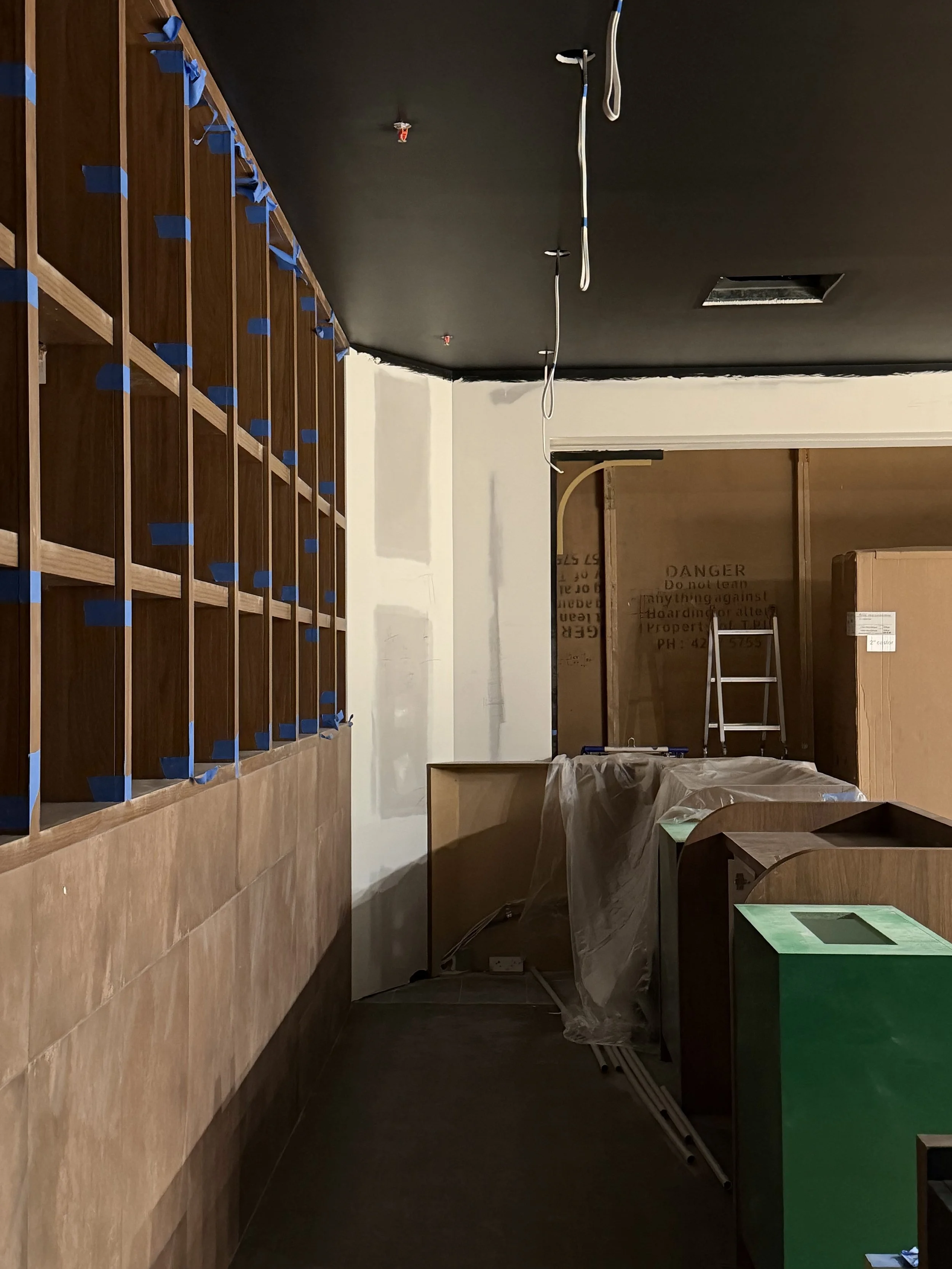
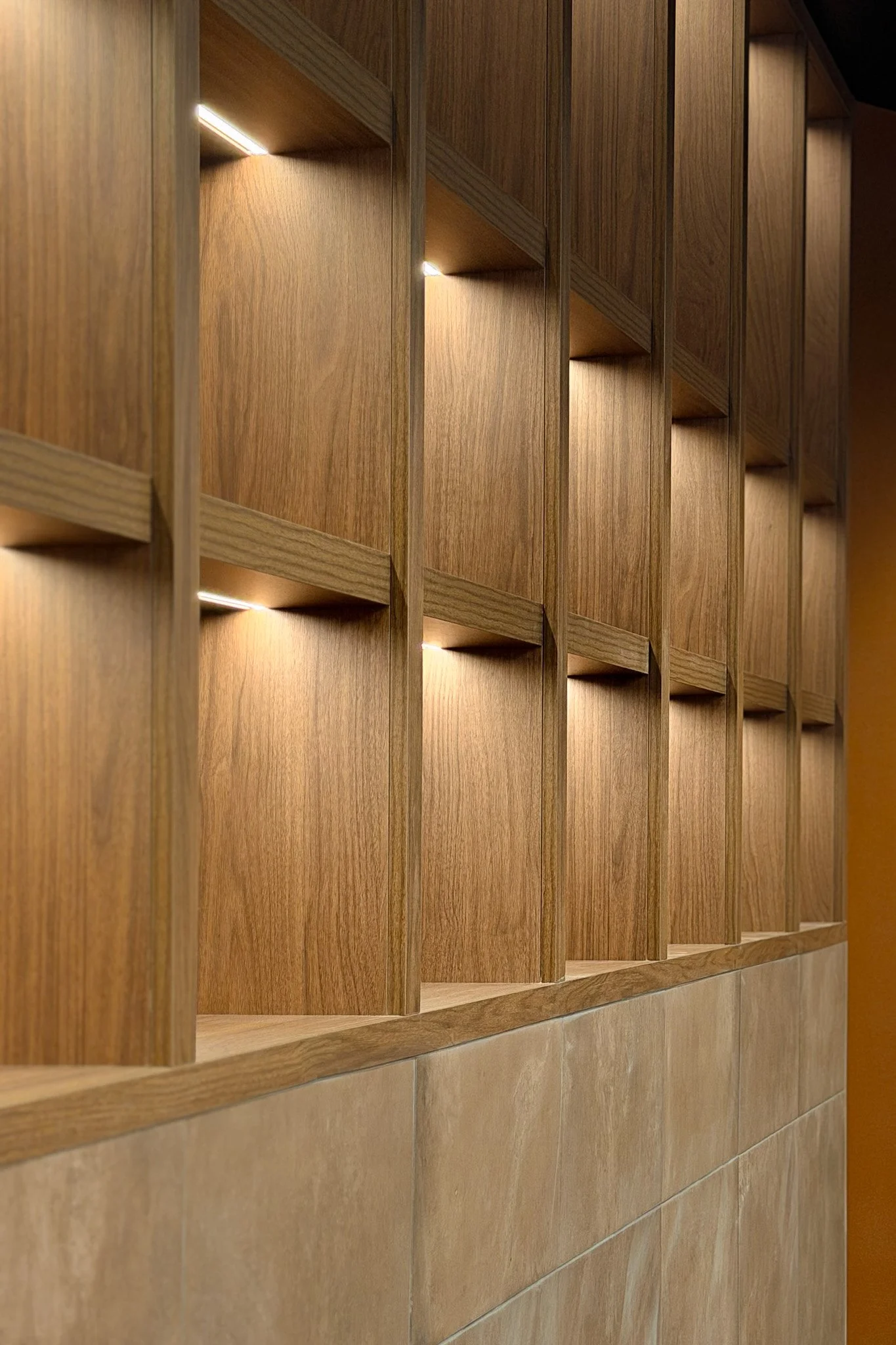
Throughout a project, we're constantly asking questions:
How will this material perform?
How is it manufactured?
How will it be fabricated?
How will it be installed?
What does it need to work around?
How will it be maintained?
And ultimately:
Can we build it the way it was designed?
These questions aren't there to restrict the design process.
They're there to make sure the creative idea survives the journey from the first concept through to the finished space.
Good design is design that can be delivered
A successful commercial interior needs to do more than look good.
It needs to work for the people using it. It needs to respond to the existing building. Its materials need to be appropriate for the environment. Its details need to be considered. And the finished space needs to retain the intent of the design that started it all.
That's what buildability brings to the design process.
It creates a connection between the idea and the outcome.
Because good design isn't just about creating something that looks good on paper.
It's about understanding how it works, how it's made and how it can be delivered.
The Cubit Perspective
We believe the best projects happen when design thinking and construction thinking work together. When buildability is considered from the beginning, creative ideas can be developed with greater confidence — helping a project move from Concept to Construction.
More from the Journal
Explore more Insights, Project Stories and Lessons from Cubit Projects.