

THE CUBIT STORY:
From Shopfitting to
Design & Construction
Every project has a story behind it. Cubit Projects' story started with a family business, a workshop and two brothers growing up around the realities of commercial construction. That early experience shaped the way they think about design, construction and what makes a project work — lessons that continue to influence how Cubit works today.
OUR STORY | JUNE 2026
Where It Started
Cubit Projects' story begins with Mark, the founder of the family business that would eventually become part of the foundation for what the company is today.
In 1995, Mark started a small business called CJ Jupiter, initially making neon signs. From there, the business gradually shifted into shopfitting.
In 1997, Mark purchased a factory to manufacture joinery. This was when the shop-fitting side of the business really began to take off, working across retail, takeaway hospitality and food court fit-outs, with projects eventually taking the business around Australia.
For Peter, one of his earliest memories of the business isn't a particular project or finished shop. It's the factory itself.
The family lived in a building next to it.
There were tools everywhere, offcuts of materials and the general chaos that came with a busy workshop and construction business.
It probably wasn't the most conventional childhood environment, but it was what Peter and Paul knew.
As they got older, the brothers started helping out too. During senior high school, weekends and school holidays were often spent doing whatever needed to be done — helping with demolition, cleaning up, moving materials and taking on the bits and pieces that needed an extra pair of hands.
It was a hands-on introduction to the industry.
And, like many experiences, some of the lessons came from seeing what could be done differently.
Safety wasn't always the first priority in those early days. The industry has changed significantly since then, but those experiences stayed with Peter and Paul. Today, safety is one of the first considerations on every Cubit project.
At the time, it was simply the family business.
Looking back, it was the beginning of a much longer story.
PLACEHOLDER IMAGE FOR OLD FACTORY
At the time, it was simply the family business.
Two Paths, One Foundation
As Peter and Paul got older, their careers took them in very different directions.
Peter went on to university to study interior design and architecture, eventually building a career in the corporate world across commercial and civic projects.
Alongside his career, Peter also established his own interior design business. The work naturally complemented the shopfitting side of Mark's business, creating an early connection between design and construction.
Paul took a different path.
His career moved through running businesses, marketing and video production, project management and other service-based industries across different sectors, countries and cultures.
Those experiences gave him a broad range of skills — from managing people and clients to understanding businesses, communicating ideas, solving problems and adapting to different circumstances.
On paper, their careers were quite different.
But those differences gave the brothers complementary perspectives.
Peter had spent years immersed in design and the built environment. Paul had developed a broader background in business, project management, marketing and service delivery.
When Mark began considering retirement, an opportunity emerged.
Rather than simply continuing the existing business, Peter and Paul saw the potential to bring their separately developed skills together and create something new.
A business that combined design, construction and the broader experience they had each gained throughout their careers.
That became the foundation for Cubit Projects.
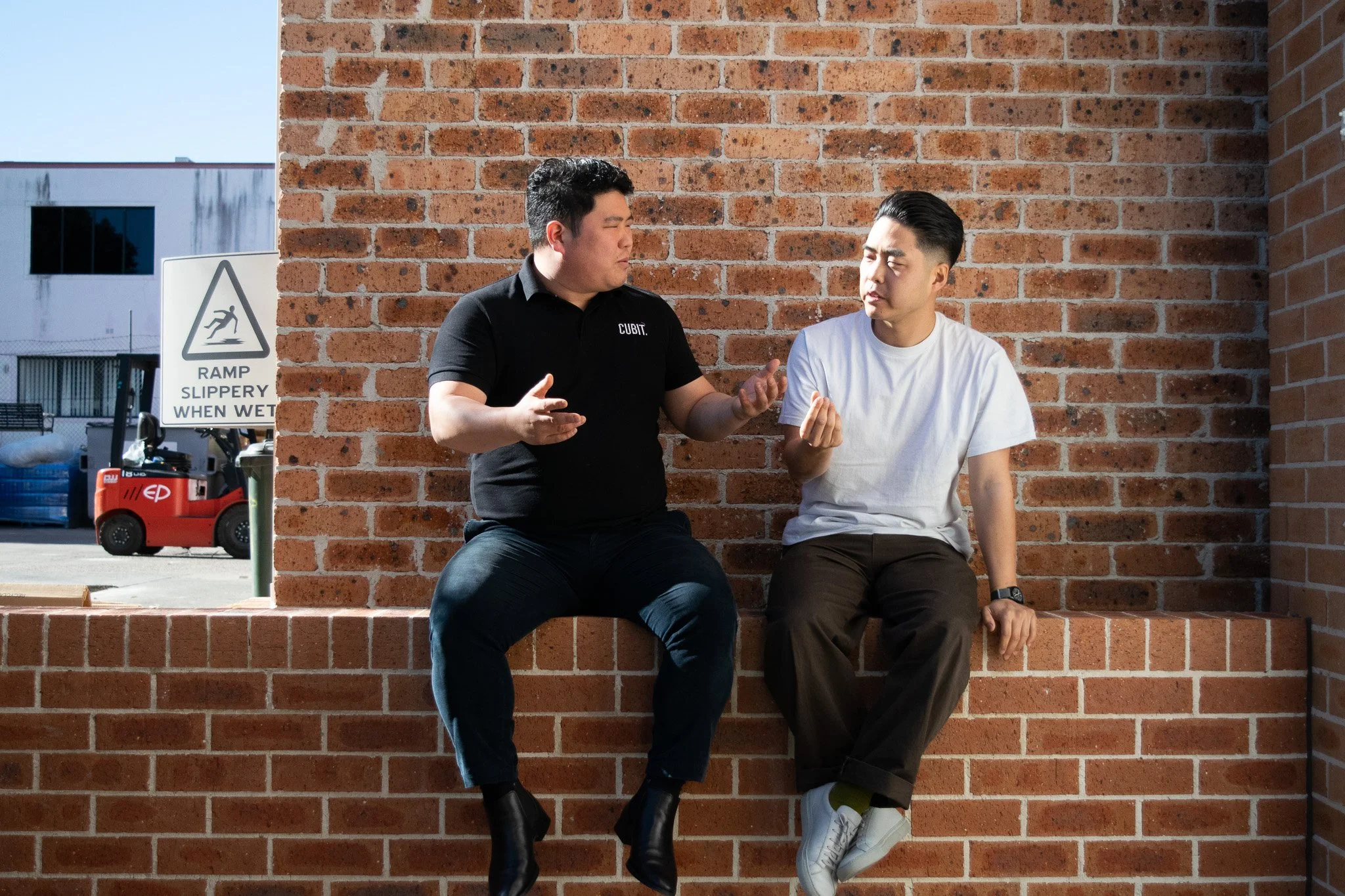
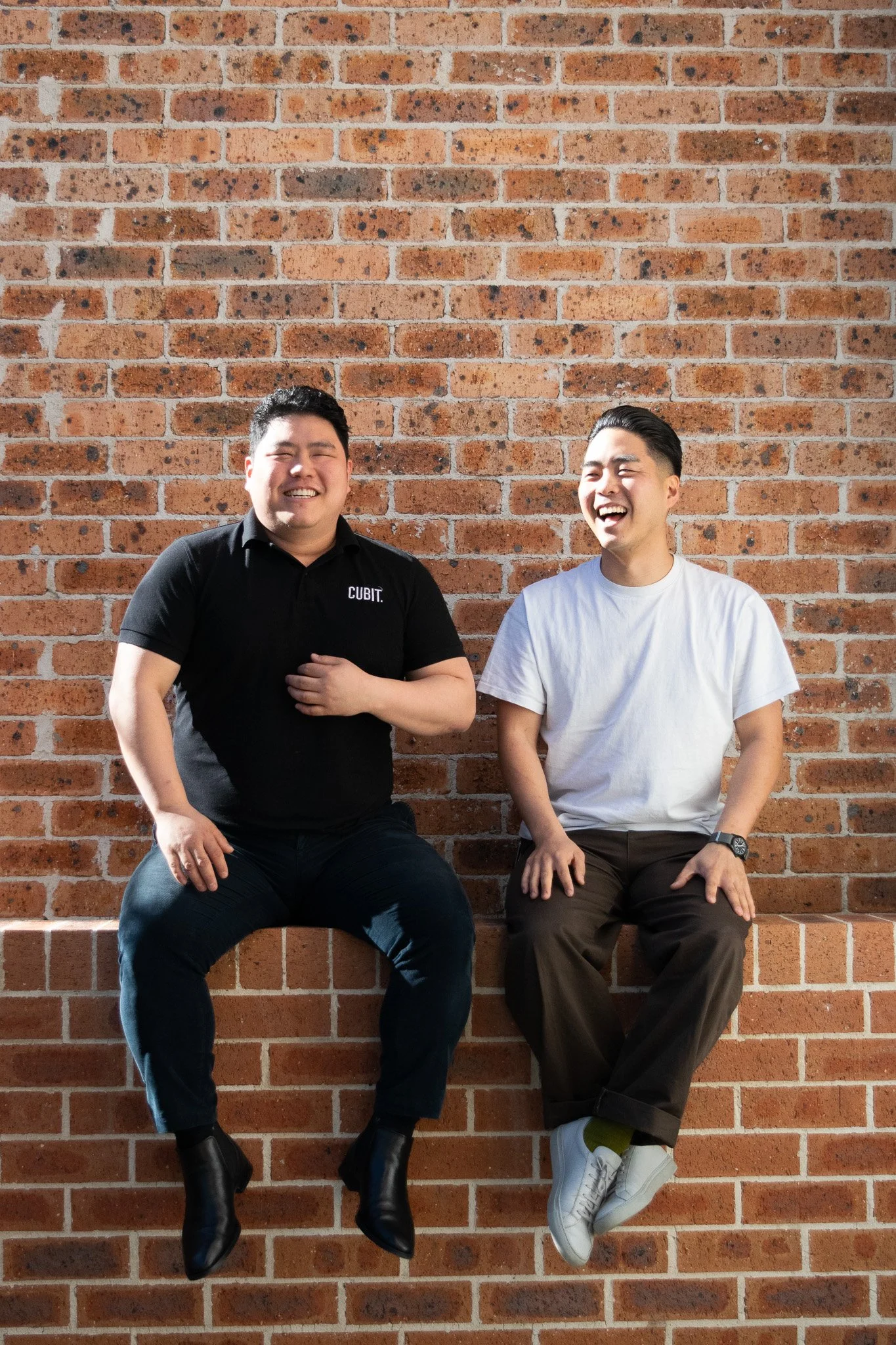
Peter and Paul brought different experiences and perspectives back together to create Cubit Projects.
Why Design + Construction
For Peter and Paul, bringing design and construction together felt like the natural evolution.
Peter's background in interior design and architecture had already demonstrated how closely the two sides of a project are connected. His experience working alongside the construction side of the family business reinforced the value of having design and construction considered together.
There are practical benefits to that approach.
Design decisions can be considered alongside buildability, budget, procurement and programme. Construction considerations can be addressed earlier, rather than becoming problems once a project reaches site.
But for Cubit, it's about more than efficiency.

A key part of the business is making the process easier for clients — particularly those who are starting out.
Not every business owner has a network of architects, designers, builders, consultants, trades and suppliers at their fingertips. For someone opening their first restaurant, retail store or commercial space, knowing where to start can be just as challenging as the project itself.
Cubit provides a connected service that can guide clients from the early stages of design through to construction.
Rather than having to coordinate multiple businesses across the project, clients have a team that understands both sides of the process.
It’s not simply about designing a space or building a space. It’s about making the whole process feel more manageable.
What Experience Has Taught Them
Bringing their different experiences together also meant bringing different perspectives on how projects should work.
Paul's experience across multiple industries, businesses and service-based environments has taught him to adapt quickly, think creatively and find practical solutions when things don't go according to plan.
Projects rarely happen exactly as expected.
Problems arise, circumstances change and clients sometimes need something different from what was originally planned. Paul's ability to approach those situations with confidence and flexibility is an important part of the experience he brings to Cubit — and, ultimately, to its clients.
Peter's experience is more deeply rooted in design and construction.
Over the years, he has seen first-hand what can happen when the design and construction sides of a project become disconnected.
Details can be missed. Assumptions can be made. Decisions can be delayed.
A project can move from designer to builder to consultant to supplier, with each person doing their part, but without anyone necessarily holding the full picture.
The brothers have experienced both sides of that equation.
They also saw it from a very early age through Mark's business. There was a huge amount of practical knowledge and experience, but not always the processes and structure that are expected of projects today.
As they've built their own careers, they've come to understand just how important those things are.
And one lesson continues to come back to them - communication solves more problems than almost anything else.
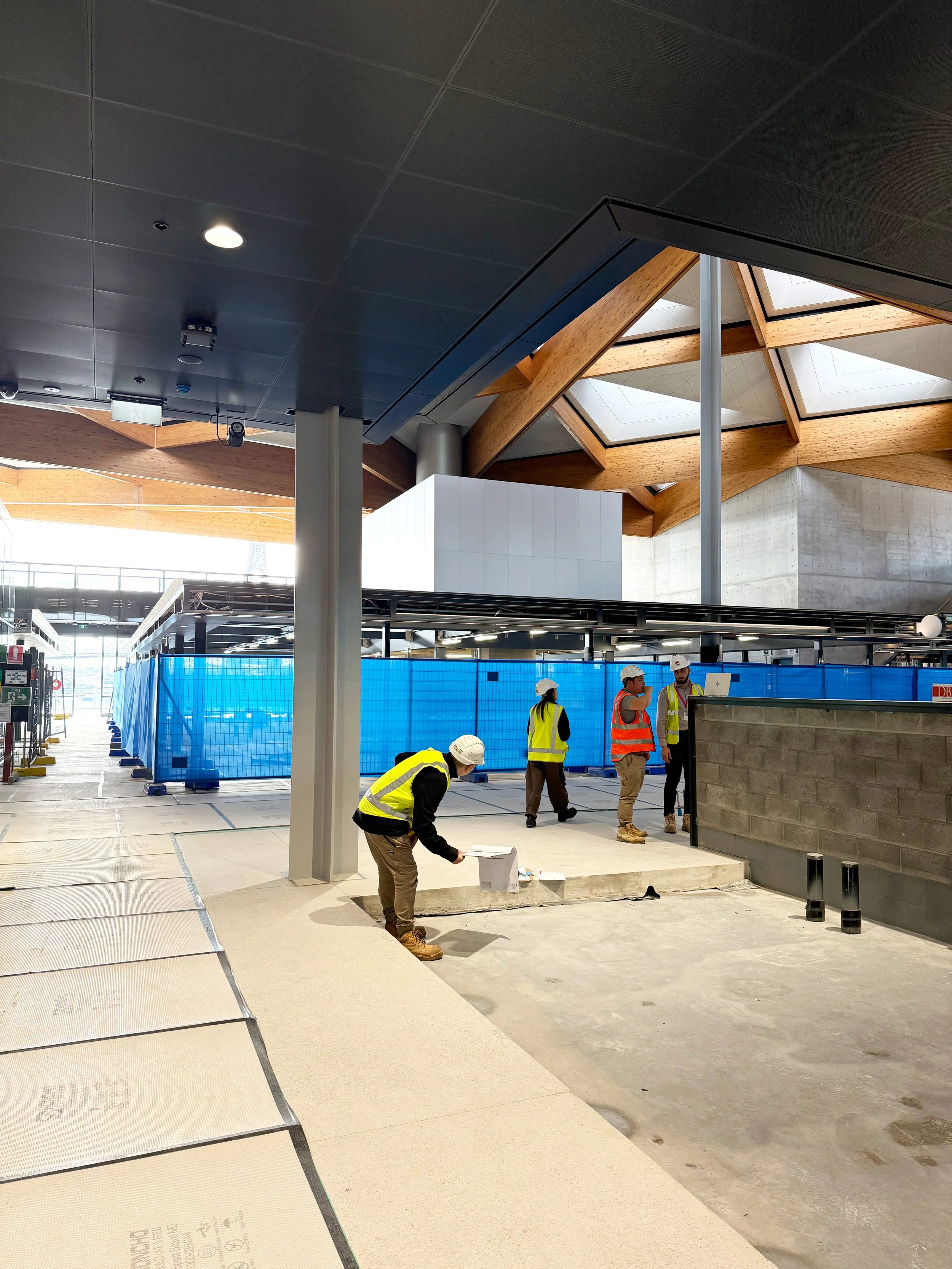
Communication solves more problems than almost anything else.
Good communication creates clarity. It allows problems to be identified early, gives everyone a better understanding of what's expected and creates an environment where people can work together.
For Cubit, buildability, safety, efficiency and good project outcomes all stem from that same foundation.
Communicate effectively. Work collaboratively. Do what you say you're going to do.
Integrity
At the core of Cubit is a simple value: integrity.
For Peter and Paul, integrity means being honest about what is possible, transparent when something changes and accountable for the decisions they make.
It means doing the right thing for the project, even when it isn't necessarily the easiest option.
Their experience has taught them that:
“You can’t control everything that happens on a project. But how you respond to it can be.”
That's the standard they want Cubit to be known for.
Why We're Starting the Journal
Peter and Paul have learnt a lot along the way.
Some of it through experience, some through mistakes, some from the people they've worked with, and a lot from simply being willing to ask questions and figure things out.
That's one of the reasons they're starting the Cubit Journal.
The goal is to share those experiences and create a useful resource for people who are researching, planning or trying to understand what goes into creating a commercial space.
For someone opening their first restaurant, starting a retail business or bringing an idea to life for the first time, the process can be completely unfamiliar.
Where do you start?
Who do you need to speak to?
What should you be thinking about before you begin?
These are the sorts of questions the Journal aims to help answer.
Future articles will explore Cubit's projects, the thinking behind them, things happening on site, design and construction insights, lessons learnt and the realities of running projects and businesses.
Not everything will be about Cubit.
Some of it will simply be knowledge the team believes is worth sharing.
Because if their experience can help someone avoid a mistake, ask a better question or feel a little more confident about taking the next step, then it's worth sharing.
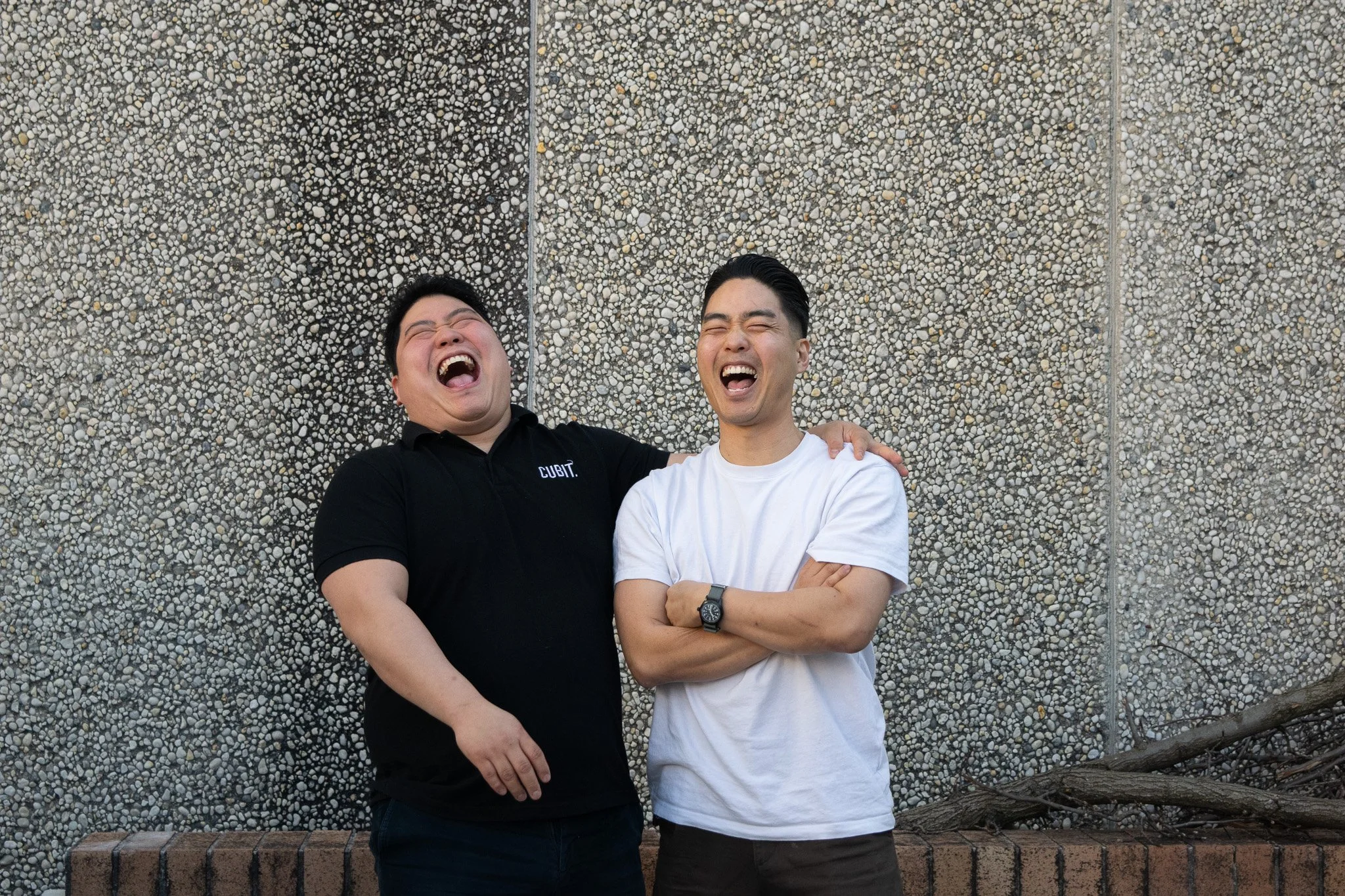
This is the beginning of the Cubit Journal — a place to share what Cubit knows, what the team is learning and what they've experienced along the way.
explore cubit
DESIGN & CONSTRUCTION | INTERIOR DESIGN | CONSTRUCTION & FIT-OUT
EXPLORE SOME OF THE SPACES WE’VE WORKED ON
More from the Journal
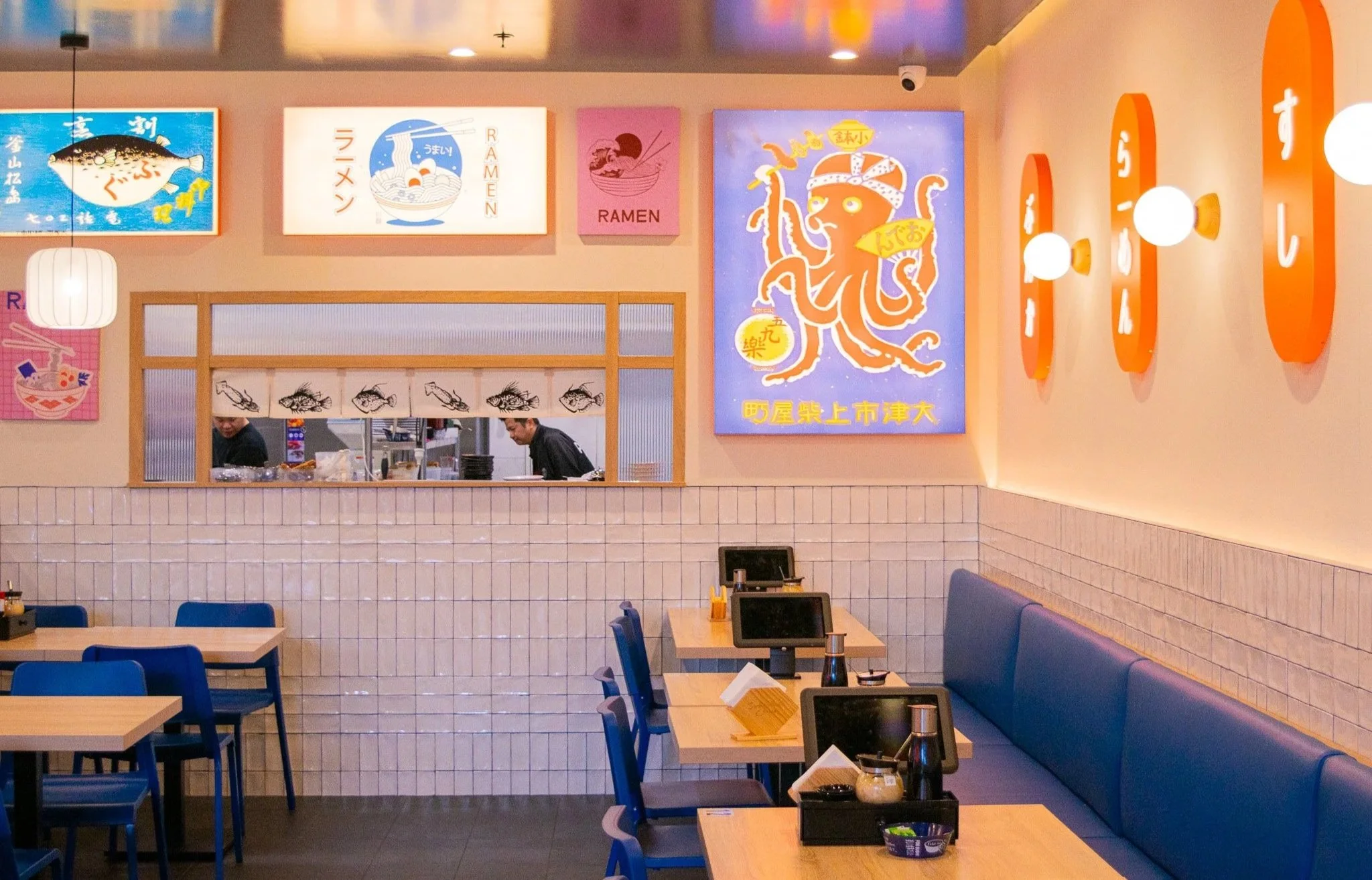

HAVE A PROJECT IN MIND?
Let’s talk about it.
